This article is written for patients who are considering booking an EndoSure Test with It’s About Time. It explains the science in clear language so you can decide whether the test feels right for you.
TL;DR
- EndoSure is a non-invasive test that records tiny, natural electrical signals from your abdomen using skin electrodes.
- Those signals come from smooth muscle activity in the gastrointestinal (GI) tract, captured as an electroviscerogram (EVG).
- The test looks for a myoelectrical activity pattern, or biomarker, known as GIMA (Gastrointestinal Myoelectrical Activity) that research has associated with endometriosis.
- The appointment typically lasts about 60 minutes, and includes a baseline recording, drinking water, and then a further recording period.
- EndoSure is described as a clinical decision aid: a result helps guide next steps, alongside symptoms, examination, imaging, and your clinician’s judgement.
What “Myoelectrical Activity Biomarkers” Means (Without the Jargon)
Let’s unpack the phrase myoelectrical activity biomarker:- “Myo” means muscle.
- “Electrical” refers to tiny electrical changes your body naturally produces when muscles activate.
- A “biomarker” is something measurable from your body that can be associated with a condition.
Why Would Endometriosis Show Up in Abdominal Electrical Signals?
Many people think of endometriosis as “just” a pelvic condition. In reality, endometriosis can affect the body in ways that involve inflammation, nerve signalling, and interactions between pelvic organs. Research suggests that endometriosis is associated with distinctive changes in GI myoelectrical activity, and EndoSure aims to identify this biomarker by analysing these signals. A patient-friendly way to think about it is:- Your gut has its own rhythmic electrical activity that helps coordinate movement.
- Endometriosis can be associated with changes in the environment and signalling in the abdomen and pelvis.
- EndoSure doesn’t “look” at lesions directly. Instead, it measures a pattern that may be associated with the presence of disease.
EVG, GIMA, and the “Digital Fingerprint” Idea
What Is an EVG (Electroviscerogram)? An electroviscerogram (EVG) is a recording of electrical activity from organs in the abdomen, captured using electrodes on the skin. It’s similar in concept to how an ECG records electrical activity from the heart, but the EVG focuses on abdominal myoelectrical activity.What Is GIMA?
GIMA stands for Gastrointestinal Myoelectrical Activity. In published research describing this approach, non-invasive electroviscerography records GIMA before and after a water-load protocol, and the resulting signal features are used to build a diagnostic model.What Does “Digital Fingerprint” Mean Here?
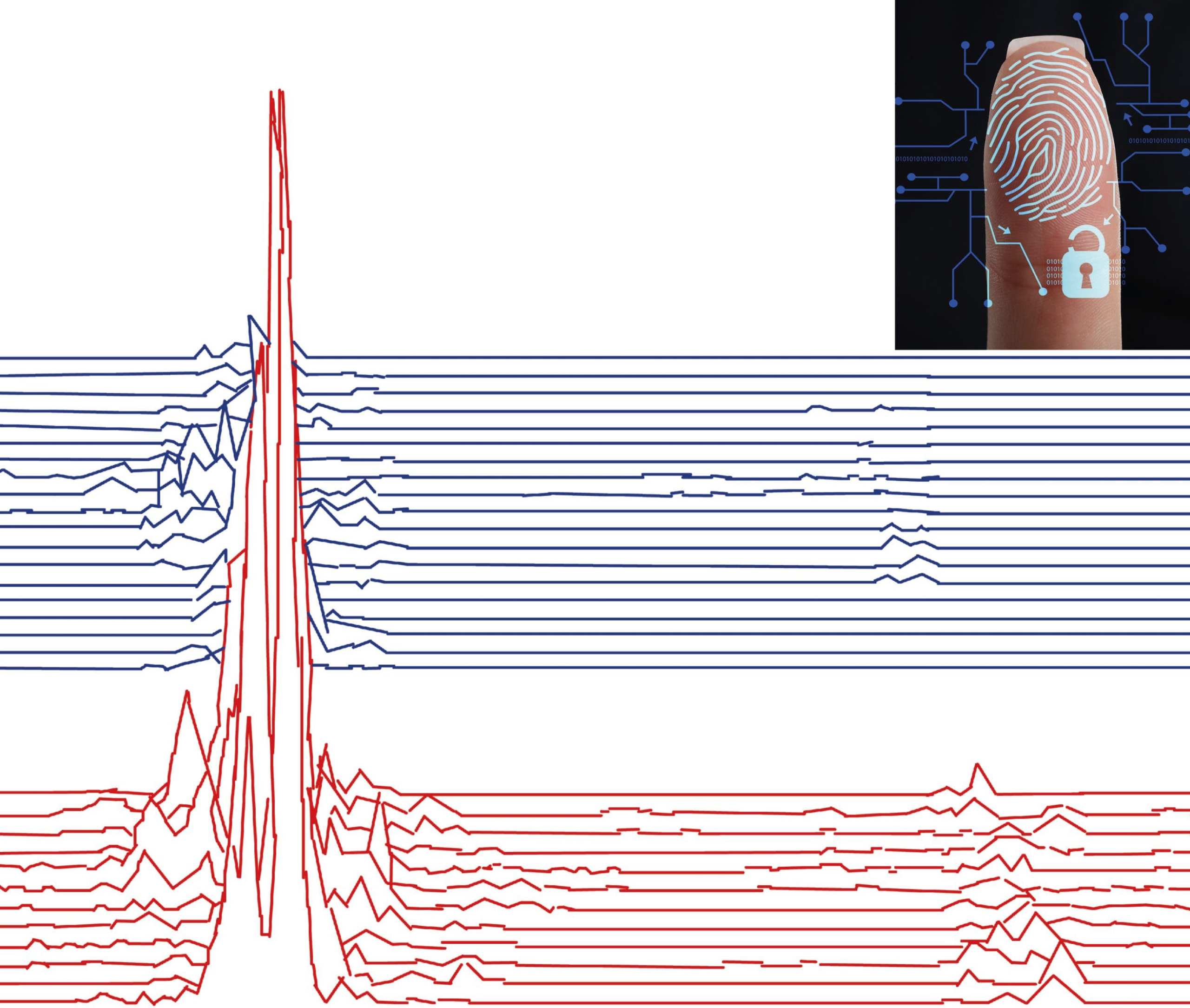
The analysis compares the recorded data to a myoelectric “digital fingerprint” associated with endometriosis. In plain English: rather than relying on one single “tell,” the system looks for a combination of signal characteristics that, together, form a recognisable pattern.What Happens During the EndoSure Test (Step-by-Step)
One of the biggest barriers to booking any medical test is uncertainty. Here is a typical description of the procedure:- Before You Start No food or drink 6–8 hours before the test. If required, small sips of water are allowed up to 2 hours before the test. You can find more information on what you need to know in our patient leaflet.
- Sensors Are Placed A respiratory belt is placed over clothing, and three electrode pads are placed on your abdomen.
- Baseline Recording You will sit in a reclining chair and remain still while a baseline recording is taken.
- Water-Load (Drinking Water) You will drink water during the test.
- Recording After Water-Load Another recording is then taken after drinking water to compare with the previous baseline recording.
- Finish and Next Steps The whole appointment is typically described as about 60 minutes, with no anaesthesia required.
What Does It Feel Like?
EndoSure is non-invasive and uses topical electrode pads. You’ll likely notice the sticky pads and the request to keep still.Accuracy: What It Means, and How to Think About It as a Patient
Accuracy talk can get confusing fast, so let’s keep it grounded. In the published study, GIMA biomarker threshold scoring demonstrated high sensitivity and specificity. In one cohort of 49 participants with abdominal pain and negative imaging who subsequently underwent surgery, the GIMA biomarkers predicted 47 participants as positive and two as negative for endometriosis, with those findings subsequently confirmed surgically.What the Published Research Discusses
A peer-reviewed paper, also available through PubMed, describes a prospective study design using EVG-recorded GIMA biomarkers, including comparison groups and model-based threshold scoring.The Practical Takeaway (Helping You Make Decisions)
Even a highly promising test result is most useful when you treat it as decision support:- A result suggesting endometriosis can strengthen the case for moving forward with a treatment discussion, specialist referral, and, if appropriate, further investigation or surgical discussion.
- A result not suggesting endometriosis can help your clinician consider other possible causes, but it does not by itself exclude endometriosis, especially if symptoms remain significant.
How to Prepare (to Make Sure the Recording Is as Reliable as Possible)
Preparation matters because the test measures real-time body signals.- Fasting beforehand, commonly 6–8 hours, and nil by mouth close to the test. Our patient information leaflet provides the specific guidance used by the clinic.
- Clothing advice, including loose-fitting clothing, and remaining in a reclining position during the test.
- Practical instructions like switching off your phone and not listening to music with headphones.
Medication Note (Important)
Some medications can affect gut motility and signalling. The leaflet includes medication-related guidance. Do not stop prescribed medication without speaking to your clinician. Especially pain medication, mental health medication, or anything related to the heart, blood pressure, or epilepsy.Who the Test May Not Be Suitable For
Suitability can depend on your circumstances. The EndoSure leaflet flags certain situations to discuss with the clinic, for example, recent bowel surgery or recent intestinal infection. If you’re unsure, the most useful thing you can do is share:- Recent surgeries or infections
- Current medications, including opioids and gut-affecting medicines
- Pregnancy status, if relevant
- Any adhesive allergies or skin sensitivities
Understanding Your Result and What Usually Happens Next
If Your Result Suggests Endometriosis May Be Present
Your clinician may use the result to support:- A targeted treatment discussion, including pain management and hormonal options where appropriate
- Referral and prioritisation decisions
- Discussion of whether further investigation or surgery may be appropriate
If Your Result Does Not Suggest Endometriosis
A “not suggestive” result can still move you forward by helping to:- Consider other explanations for pelvic pain and bleeding patterns
- Revisit imaging strategy or differential diagnoses
- Focus on symptom control while the diagnostic pathway continues