For many women in the UK and throughout the world, obtaining a timely and accurate diagnosis for endometriosis remains a significant challenge. Traditional pathways involve lengthy waiting lists, negative diagnostic testing, invasive procedures and years of uncertainty before answers are reached. The EndoSure Test represents an important development in women’s health by offering a totally non-invasive method of assessment that can support faster clinical decision-making.
This guide provides a clear and detailed overview of how the EndoSure Test works, its accuracy and what patients can expect from the full process, including how results are communicated.
What Is the EndoSure Test?
The EndoSure Test is a non-invasive diagnostic tool designed to help identify patterns consistent with endometriosis. Unlike diagnostic methods that may involve internal examination or surgical investigation, EndoSure uses external electrodes placed on the abdomen to detect physiological signals associated with the condition.
The test is performed in a clinic setting, does not require anaesthesia and involves no internal examination or testing of body fluids. It offers a non-invasive assessment for women seeking clarity about symptoms such as abdominal or pelvic pain, heavy periods, bloating or fertility concerns.
How the EndoSure Test Works
Although the technology behind EndoSure is sophisticated, the underlying concept is straightforward and patient friendly.
Myoelectrical Activity and Endometriosis
The organs and smooth muscle tissues within the abdomen and pelvis generate natural electrical signals as part of normal functioning. Published research has investigated differences in gastrointestinal myoelectrical activity associated with endometriosis.
Recording the Signals
During the test, small electrodes are placed on the skin of the abdomen. These electrodes detect myoelectrical activity produced by the gastrointestinal system. The process is entirely external, painless and comparable to wearing ECG pads.
Patients drink water until they feel full, which helps stimulate gastrointestinal activity. The electrodes then record signals over a period while the patient remains reclining in a comfortable position.
Data Analysis
The recorded data is analysed using a proprietary algorithm that compares the patient’s signal pattern to patterns associated with endometriosis. This analysis supports clinicians in determining whether the results indicate a likelihood of endometriosis or whether alternative causes or testing should be considered.
How Accurate Is the EndoSure Test?
EndoSure has demonstrated strong performance in identifying patterns associated with endometriosis. While the exact figures may vary between studies, research has reported:
- High sensitivity, meaning it is effective at identifying individuals who are likely to have endometriosis
- High specificity, meaning it is effective at identifying individuals who are likely not to have endometriosis
In practical terms, this can help clinicians make more informed decisions earlier in the diagnostic journey. No diagnostic test can offer a 100% definitive diagnosis or exclusion in every patient. EndoSure is designed to provide additional information to support clinical decision-making. It may be particularly valuable for women who have symptoms suggestive of endometriosis but normal imaging results.
Clinicians can use the EndoSure Test alongside medical history, symptom assessment and, where appropriate, ultrasound or MRI findings.
Who Is a Suitable Candidate for the EndoSure Test?
EndoSure may be appropriate for a wide range of patients, including those who:
- Experience pelvic pain, painful menstruation or persistent bloating
- Complain of pain during intimate relations
- Have gastrointestinal symptoms that may overlap with endometriosis
- Struggle with fertility concerns
- Have inconclusive imaging results
- Prefer to avoid invasive diagnostic procedures where possible
- Seek a preliminary assessment to determine whether further investigation is warranted
The test may be suitable for both individuals beginning their diagnostic journey and those who have been searching for answers for years.
How to Prepare for the EndoSure Test
Preparation for the EndoSure Test is straightforward. Patients are generally advised to:
- Fast for 8 hours before the appointment
- Wear comfortable, loose-fitting clothing that allows access to the abdomen
- Check the patient leaflet prior to the appointment, specifically regarding medication
These steps help ensure optimal signal quality.
What to Expect During the Test
The EndoSure Test appointment typically lasts around one hour. The test itself takes approximately 30 minutes.
Patients can expect the following:
- A brief chat with the technician to answer a pain score questionnaire and to record current medications
- Placement of adhesive electrodes on the abdomen and respiratory belt applied over clothing
- A 10-minute baseline is recorded
- Consumption of water
- A comfortable 30-minute rest period while electrodes record the activity
- Removal of the electrodes and conclusion of the appointment
The experience is relaxed and non-invasive, and patients can resume normal activities immediately afterwards.
After the Test: What Happens Next?
Once the recording is complete, the data is uploaded and sent to the clinician associated with the EndoSure clinic. The clinician reviews the results and interprets them in the context of the patient’s overall clinical picture.
The result will be sent to the patient and can be shared with their GP.
The next step can be one of the following:
- Discuss the result with your GP.
- Arrange a consultation with the clinician who reviewed your result. Together you will be able to decide if additional testing is needed, and what treatment pathway is best for you.
There is no recovery period or specific restriction following the appointment.
Understanding Your EndoSure Results
How results are presented may vary slightly depending on the clinic, but the overall process is designed to provide information that can be considered alongside the patient’s wider clinical picture.
The timeframe for receiving results may also vary, but this is usually within 5 working days.
How Results Are Shared
Depending upon your clinic or clinician, you may schedule a call with the provider, have an appointment face to face, or receive it via email. You will be sent a copy of the report for your records and to share with other healthcare professionals.
Interpreting the Outcome
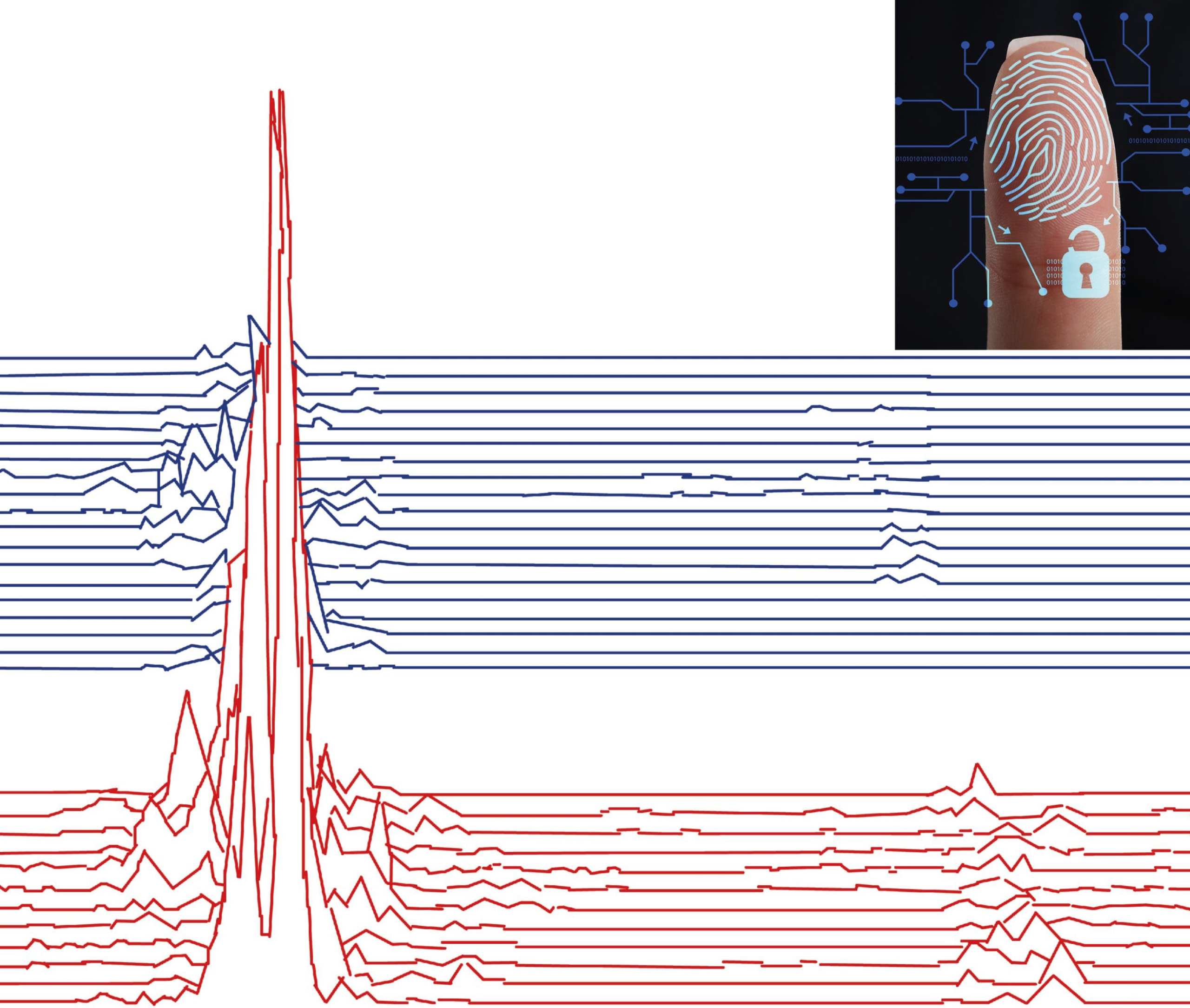
The EndoSure results are presented as calculated scores derived from the recorded myoelectrical data and Running Spectral Analysis (RSA):
- The RSA graph displays the recorded myoelectrical activity during the resting baseline and stimulated portions of the test.
- The Probability Index Score of Endometriosis is presented on a scale of 0 to 1.0 and is used as part of the EndoSure assessment.
- The Activity Index Score is also presented on a scale of 0 to 1.0 and provides additional information from the recorded signal.
- These results should be interpreted by a clinician in the context of symptoms, medical history, examination and other investigations where appropriate.
It is important to note that the EndoSure Test, just like other diagnostic tests, cannot diagnose or exclude endometriosis with 100% certainty. In combination with other factors such as symptoms, physical examination and other investigations, it provides additional non-invasive information about the likelihood of endometriosis.
Next Steps After Receiving Your Result
Depending on the outcome and which path you choose to follow after the test, for example your GP or clinician, the following outcomes are possible:
- Refer the patient to a gynaecologist
- Recommend further imaging
- Begin medical management, such as hormonal therapy, or consider other appropriate symptom-management measures
- Consider whether more invasive investigation or treatment, such as laparoscopic surgery, is appropriate
- Explore alternative diagnoses where appropriate
The aim is to provide a clear and personalised plan based on the findings.
Where EndoSure Fits Within the Broader Diagnostic Pathway
EndoSure can be used as part of the assessment pathway for people with suspected endometriosis.
It is not a replacement for laparoscopy or other appropriate testing but can act as a non-invasive assessment that provides additional information to support clinical decision-making and help determine whether further investigation or specialist care may be appropriate.
For many women, EndoSure may represent meaningful progress after years of uncertainty.
Summary: A New Standard in Early Assessment
The EndoSure Test offers an accessible, non-invasive method of assessing the likelihood of endometriosis. It provides clinicians with additional information that can support clinical decision-making and gives patients another option within the diagnostic pathway.
For those who have felt unheard or caught in long diagnostic delays, EndoSure offers a non-invasive way to gather additional information about symptoms associated with endometriosis.
Could Your Symptoms Be Endometriosis?
If you are experiencing pelvic pain, heavy periods, bloating or fertility concerns, the EndoSure test offers a rapid, non-invasive way to assess the likelihood of endometriosis. Learn how the test works or find a clinic near you and book an appointment.