Effective endometriosis treatment options can help you manage difficult symptoms, potentially improving your quality of life. While there’s no cure for endometriosis, these treatments can still provide crucial relief, and it’s important to understand what they are and how they work.
This guide to treatments for endometriosis explores the most common approaches to treating the medical condition, providing a clear overview of how each method works, the science behind it, and its effectiveness.
All information in this article has been reviewed by a qualified, expert practitioner.
List of Endometriosis Treatment Options
- Hormone therapy
- Pain management
- Surgery
The Route to Treatment for Endometriosis
From making the initial decision to seek treatment, to choosing a treatment option, acting on endometriosis can be a complicated process and will depend on having an accurate diagnosis. However, getting an endometriosis diagnosis isn’t as straightforward as it should be. For too many women, it can take years of frustrating appointments and inquiries, even if you have several endometriosis symptoms.
But, getting a diagnosis, and beginning your route to treatment, doesn’t have to be this hard.
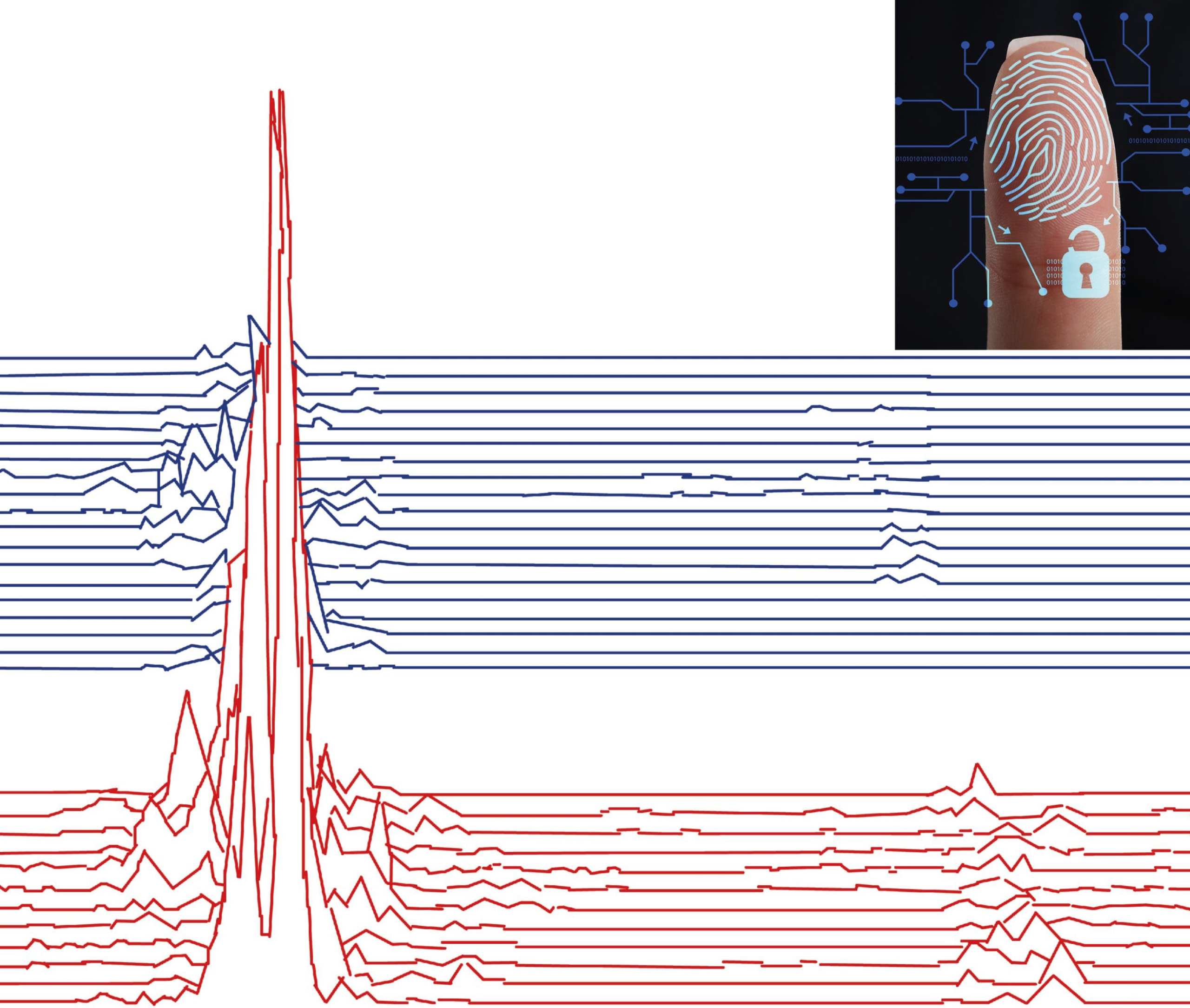
EndoSure is a diagnostic test for endometriosis that’s quick, accessible, and accurate. Evidenced by clinical research, EndoSure can support earlier clinical decision-making by assessing patterns associated with endometriosis.
Learn more about EndoSure and book a test with a clinic near you.
Understanding Your Treatment Options for Endometriosis
Your best course of treatment for endometriosis depends on several factors, including your individual symptoms, severity, and future fertility goals. It’s important to remember that whatever endometriosis treatment you decide to pursue, the goal is to manage the impact of endometriosis symptoms and reduce their severity.
Here’s a complete breakdown of the most commonly used treatment approaches:
Hormone Therapy
Hormone therapy aims to regulate hormone activity, helping to manage endometriosis symptoms such as pain.
How It Works: Different hormonal medications work in various ways. Birth control pills can suppress ovulation and menstruation, which can help reduce endometriosis-related pain. Other options like progestin-only therapies, such as the progestin-releasing intrauterine device (IUD), can also help manage symptoms.
Scientific Research: Numerous studies support the effectiveness of hormone therapy in managing endometriosis symptoms, particularly pain associated with periods and sexual intercourse. A 2021 study published in the Journal of Minimally Invasive Gynecology found that hormonal therapy led to a significant reduction in pain scores among women with endometriosis.
Effectiveness: Hormone therapy can be very effective for many women in reducing pain symptoms. However, it’s important to bear in mind potential side effects with your doctor, as these can vary depending on the specific medication used. Some common side effects may include weight gain, breast sensitivity, and mood swings.
Pain Management
Pain management can also be a key aspect of endometriosis treatment, helping you cope with discomfort and improve your quality of life.
How It Works: Pain management strategies encompass various approaches, including over-the-counter pain relievers like ibuprofen or naproxen, prescription medications, and heat therapy.
Over-the-counter pain relievers are commonly used for many women. Prescription medications may be considered for more severe or persistent pain. Supplementary to these options, heat therapy techniques, such as using heating pads or hot water bottles, can help relax muscles and ease cramps.
Scientific Research: Nonsteroidal anti-inflammatory drugs (NSAIDs) are widely used to help manage endometriosis-related pain. However, a Cochrane review found that the available evidence was insufficient to determine whether NSAIDs are effective specifically for pain caused by endometriosis.
Effectiveness: Pain management can improve your daily life by reducing pain intensity and allowing you to participate in activities you might otherwise avoid. It can make otherwise simple tasks more manageable, and allow you to focus on more than your pain in difficult moments.
Surgery
Surgery can be an option for removing or destroying areas of endometriosis, particularly when other treatment methods haven’t been successful, or when less invasive treatments have already been explored.
How It Works: There are different surgical approaches for endometriosis, with laparoscopy being the most common. This minimally invasive procedure uses small incisions and a camera to visualise and remove or destroy areas of endometriosis. Laparoscopic surgery can allow for a quicker recovery time than open surgery.
In the most severe cases of endometriosis, more intensive surgery can also be an option of last resort, with the potential for an operation that removes part or all of the organs impacted by endometriosis.
Scientific Research: Research supports the effectiveness of laparoscopic surgery in improving endometriosis symptoms and fertility outcomes in some women, with studies showing that laparoscopy can lead to improved pregnancy rates in some women with endometriosis.
Effectiveness: Surgery can provide significant or long-term symptom relief for some women. However, symptoms can return after surgery, and some women may require further treatment or surgery.
Deciding Not to Treat Endometriosis
Medical intervention isn’t for everyone, and you may decide not to seek treatment for endometriosis. Especially if your endometriosis doesn’t cause significant pain and discomfort, this may be an appealing option.
Symptoms and their progression vary between individuals. Some women may find that their symptoms remain similar over time, while others may experience improvement or worsening. In this case, deciding whether or not to treat endometriosis is about balancing the impact of the treatment against the severity of your symptoms.
For many women, symptoms of endometriosis improve after menopause, although symptoms can sometimes continue after menopause. This change can also play a role in determining whether you seek treatment, and when.
Could Your Symptoms Be Endometriosis?
If you are experiencing pelvic pain, heavy periods, bloating or fertility concerns, the EndoSure test offers a rapid, non-invasive way to assess the likelihood of endometriosis. Learn how the test works or find a clinic near you and book an appointment.