In July 2024, a new long-term study into endometriosis was published. Its results showed that women with endometriosis were four times more likely to develop ovarian cancer than women without the condition.
But that isn’t the only way in which endometriosis affects women’s health.
All information in this article has been reviewed by a qualified, expert practitioner.
Why Is an Accurate Endometriosis Diagnosis Important?
Causing near-constant discomfort and chronic pain, fatigue and nausea, fertility challenges, and frequently having a detrimental impact on mental health and wellbeing, endometriosis is a severe health condition faced by hundreds of millions of women across the globe, present at a similar rate to asthma, or diabetes.
Endometriosis is a chronic condition that can vary considerably between individuals. In some women it may progress over time and cause further health complications. Therefore, getting an endometriosis diagnosis as early as possible is important.
Nevertheless, despite its consequences, and despite its prevalence throughout the population, treatment options for endometriosis remain limited, and the pathway to diagnosis can be even more frustrating.
Too often, women are ignored by the healthcare system and their endometriosis symptoms are dismissed or misdiagnosed. Some women have to wait decades before their condition is finally correctly diagnosed.
It doesn’t have to be this way. As new research emphasises the importance of women’s healthcare, there’s cause for optimism and hope that the endometriosis diagnosis pathway might change for the better.
The Traditional Pathway to an Endometriosis Diagnosis
The first step toward endometriosis diagnosis typically involves a visit to a GP. Women presenting symptoms such as chronic pelvic pain, painful periods, and pain during sexual intercourse will be assessed based on their medical history, and a physical examination might be performed.
Depending on symptoms and circumstances, the GP may refer the patient to a gynaecologist for a specialist opinion and further investigation.
Gynaecologists may recommend imaging tests such as ultrasound or MRI to identify signs of endometriosis. Laparoscopy may also be considered to diagnose endometriosis, including when ultrasound or MRI results are normal. With a laparoscopy, a small incision is made in your abdomen, and surgeons insert a tube with a camera on to observe if there is evidence of endometriosis in or around the organs.
Though minimally invasive and generally considered low-risk, laparoscopy is still surgery and is usually performed under a general anaesthetic.
During a laparoscopy, clinicians may be able to identify endometriosis, and in some circumstances begin the process of treating the condition through the removal or treatment of areas of endometriosis.
However, getting to this point can be an agonisingly long, arduous, and painful process.
The Challenges With the Current Diagnosis Pathway
In the UK, it takes an average of 9 years and 4 months for a woman with endometriosis to receive a diagnosis. Many women also have to make repeated visits to healthcare professionals before endometriosis is suspected.
Those numbers make the flaws with this current system obvious: for women, getting a diagnosis of endometriosis is too difficult, with too many barriers in place at every turn. But, beyond extended waiting times and inconsistent referrals, why is this process so hard?
One of the most significant challenges in diagnosing endometriosis is misdiagnosis or the normalisation of symptoms: many women are told their pain is simply a normal part of menstruation.
Additionally, both patients and healthcare providers often lack sufficient awareness and education about endometriosis. This lack of knowledge contributes to delays in seeking help and receiving an accurate diagnosis. For example, 75% of men, and a substantial proportion of women, don’t know what the condition is.
Improving the Diagnosis Pathway for Endometriosis: What’s the Solution?
It’s about time that endometriosis was taken seriously.
Fixing this crisis in women’s healthcare begins with better education on the condition. Improving education about endometriosis and its symptoms across the population, and greater specialised training for GPs and healthcare professionals, could lead to earlier recognition and appropriate referrals, and mean that more women recognise when they should consider seeking a diagnosis for the condition.
But that’s only half the problem.
Given that endometriosis is such a prevalent and serious health condition, the diagnosis pathway needs to be much quicker, more accessible, and less daunting for women. This would allow endometriosis to be identified earlier. Earlier assessment and diagnosis could allow women to access appropriate endometriosis treatment and symptom management sooner.
To get to this stage, clinicians need to be equipped with cutting-edge, evidence-based diagnostic methods and tools, including tools such as EndoSure.
Research published in the Journal of Clinical Medicine provides clinical evidence relating to EndoSure, a non-invasive diagnostic tool designed to assess patterns associated with endometriosis and support clinical decision-making.
EndoSure: A New Way Forward for Endometriosis Diagnosis
The EndoSure diagnostic test provides a rapid, accessible and non-invasive approach designed to support the assessment of endometriosis.
Introduced in 2023, EndoSure builds on over two decades of scientific research into the relationship between endometriosis and gastrointestinal myoelectrical activity.
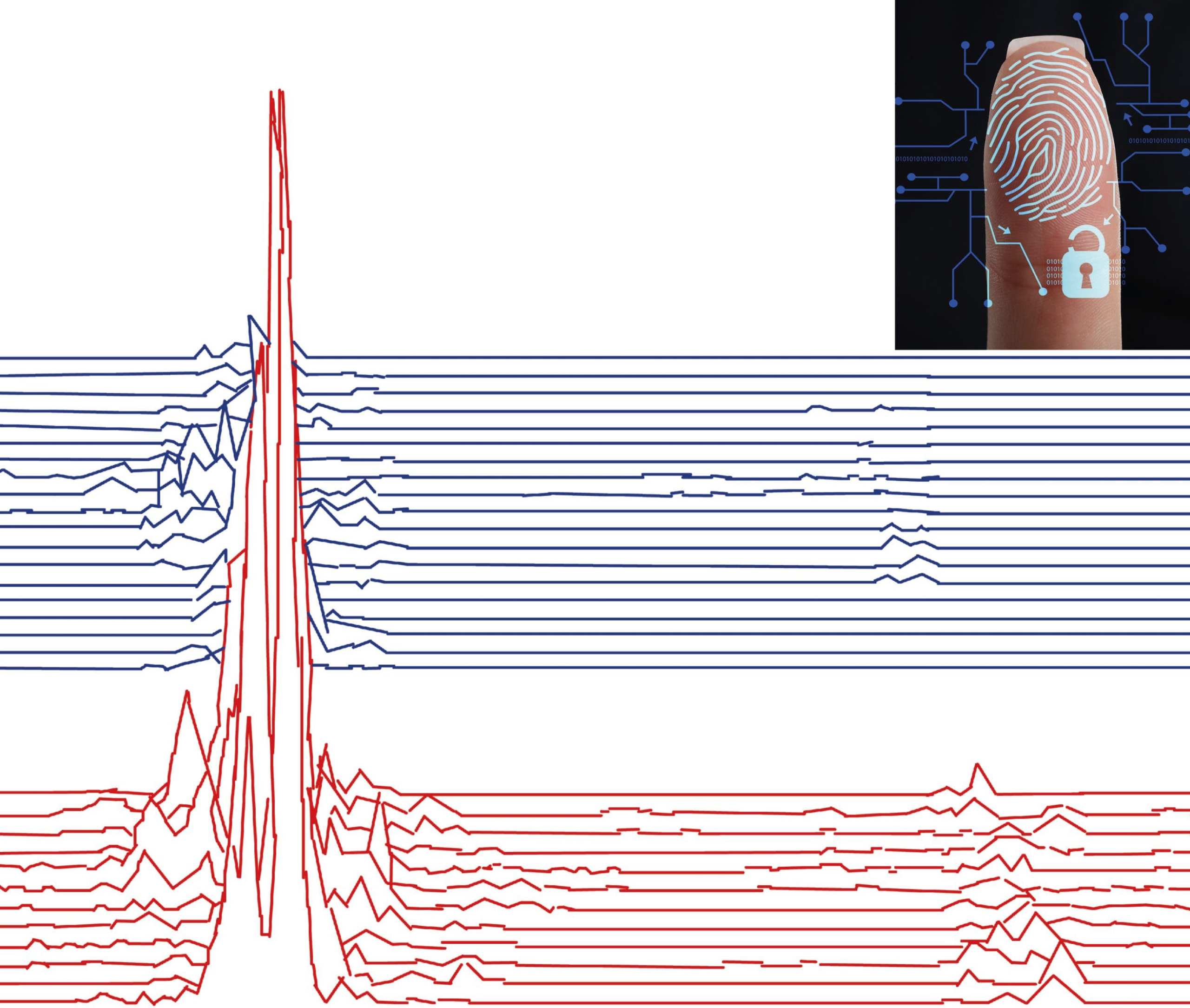
EndoSure employs an Electroviscerogram (EVG) to measure myoelectrical activity in the abdomen. Electrode pads are placed on the skin, similar in practice to a commonly used ECG, but instead of monitoring heart activity, the EVG detects patterns of activity in the abdomen associated with endometriosis.
The signals are analysed and compared with patterns associated with endometriosis, providing clinicians with additional information to support clinical decision-making alongside symptoms, clinical assessment and other investigations.
Clinical research has reported a high level of agreement between EndoSure results and surgical findings in the population studied.
The EndoSure procedure is rapid, non-invasive and painless, and can be performed in an outpatient setting. It has the potential to provide additional information earlier in the diagnostic pathway.
For women, EndoSure has the potential to support earlier clinical decision-making and access to appropriate endometriosis treatment. For healthcare systems, non-invasive diagnostic technologies may have the potential to reduce unnecessary investigations and diagnostic laparoscopies.
EndoSure has the potential to save time and, most importantly, give women with suspected endometriosis additional information to support their diagnostic journey.
Could Your Symptoms Be Endometriosis?
If you are experiencing pelvic pain, heavy periods, bloating or fertility concerns, the EndoSure test offers a rapid, non-invasive way to assess the likelihood of endometriosis. Learn how the test works or find a clinic near you and book an appointment.