Impacting an estimated 10% of women of reproductive age, endometriosis is a condition where tissue similar to the lining of the uterus (endometrium) grows outside the uterus. This can lead to debilitating pain and discomfort and can impact a woman’s fertility, making diagnosis and treatment vital. Therefore, if you’re concerned you might have endometriosis, understanding the most common endometriosis symptoms is important.
With this guide, explore the key signs of endometriosis, what they feel like, why they occur, and how recognising these symptoms can help you get a diagnosis. Identifying symptoms of endometriosis is the first step towards getting the right diagnosis and treatment as soon as possible.
All information in this article has been reviewed by a qualified, expert practitioner.
List of Common Endometriosis Symptoms:
- Painful periods (dysmenorrhea)
- Pain during or after sex (dyspareunia)
- Chronic pelvic pain
- Heavy menstrual bleeding or irregular periods
- Fatigue
- Painful bowel movements or urination, especially during menstruation
- Fertility difficulties
- Lower back pain
Painful Periods (Dysmenorrhea)
Experiencing painful periods (known medically as dysmenorrhea) is a very common symptom of endometriosis. While some degree of period pain can be normal, it’s important to understand when it could be a sign of endometriosis.
What This Feels Like:
- Sharp cramps: Severe and debilitating, often radiating to the lower back and thighs.
- Aching pain: A dull, constant ache in your lower abdomen and pelvis.
- Pressure: A persistent pressure or heaviness in your pelvic area.
Why It Happens:
Endometriosis tissue responds to hormonal changes in the menstrual cycle. Areas of endometriosis can cause inflammation and irritation, which can contribute to pain.
How Likely This Is to Be a Sign of Endometriosis:
While painful periods are common for many women, pain that is significantly more severe and disruptive to daily activities can be a symptom of endometriosis.
Pelvic Pain Between Periods
Pelvic pain as a symptom of endometriosis isn’t always confined to your period. In fact, endometriosis can cause chronic pelvic pain throughout your monthly cycle, manifesting in a few different uncomfortable sensations.
What This Feels Like:
- Persistent aching: An ongoing, dull aching sensation in the pelvic region.
- Sharp pain: Sudden, stabbing pains that can occur at any time.
- Radiating pain: Discomfort that spreads to the lower back and thighs.
Why It Happens:
Similar to menstrual cramps, ongoing pelvic pain can be associated with inflammation and irritation from endometriosis. Adhesions can also affect pelvic organs and tissues, contributing to discomfort and pain throughout the menstrual cycle.
How Likely This Is to Be a Sign of Endometriosis:
Chronic pelvic pain outside of your period can be a symptom of endometriosis. But, it can also be associated with and caused by other conditions such as pelvic inflammatory disease (PID), interstitial cystitis, or irritable bowel syndrome (IBS). This, therefore, means that it’s important to seek out a medical diagnosis for chronic pelvic pain to explore its cause and to consider endometriosis as a potential diagnosis.
Heavy Bleeding or Irregular Periods
Endometriosis can be associated with changes in menstrual bleeding patterns, including heavier periods.
What This Feels Like:
- Heavy periods: Bleeding that is noticeably heavier than usual, often requiring more frequent pad or tampon changes and possibly causing discomfort or inconvenience.
- Irregular periods: Unpredictable menstrual cycles, arriving earlier or later than expected, or skipping cycles altogether.
- Spotting between periods: Unexpected light bleeding or spotting that occurs between regular periods.
Why It Happens:
Heavy or irregular bleeding can occur alongside endometriosis, although these symptoms can also have many other causes.
How Likely This Is to Be a Sign of Endometriosis:
Heavy bleeding can be a symptom of endometriosis. However, heavy bleeding and irregular periods can have various causes unrelated to the condition, so these symptoms alone do not indicate that you have endometriosis.
Other Potential Symptoms
Women with endometriosis can also experience the following symptoms as a result of the condition:
- Fatigue: Unexplained fatigue and low energy levels not linked with disrupted sleep or vitamin deficiency.
- Bowel/bladder issues: Uncomfortable/painful urination or bowel movements, especially during your period.
- Fertility difficulties: Endometriosis can contribute to fertility problems.
- Lower back pain: Chronic pain in the lower back, often mistaken for other conditions.
Seeking a Diagnosis for Endometriosis
If you’re experiencing any of these symptoms in isolation or jointly, it’s important to talk to your doctor and you should consider looking for a medical diagnosis of endometriosis. Early diagnosis and treatment of endometriosis can significantly improve your health and well-being.
However, getting a quick and accurate diagnosis of endometriosis is rarely as straightforward as it should be. There are countless stories of women whose symptoms have been ignored by dozens of doctors before a diagnosis is reached. This is one of the major medical issues facing women today and can lead to feelings of deep frustration and alienation with the healthcare system.
That’s where EndoSure, evidenced by research published in Journal of Clinical Medicine, comes in.
Available now, the EndoSure Test is an affordable, rapid, non-invasive diagnostic tool designed to assess patterns associated with endometriosis and support clinical decision-making.
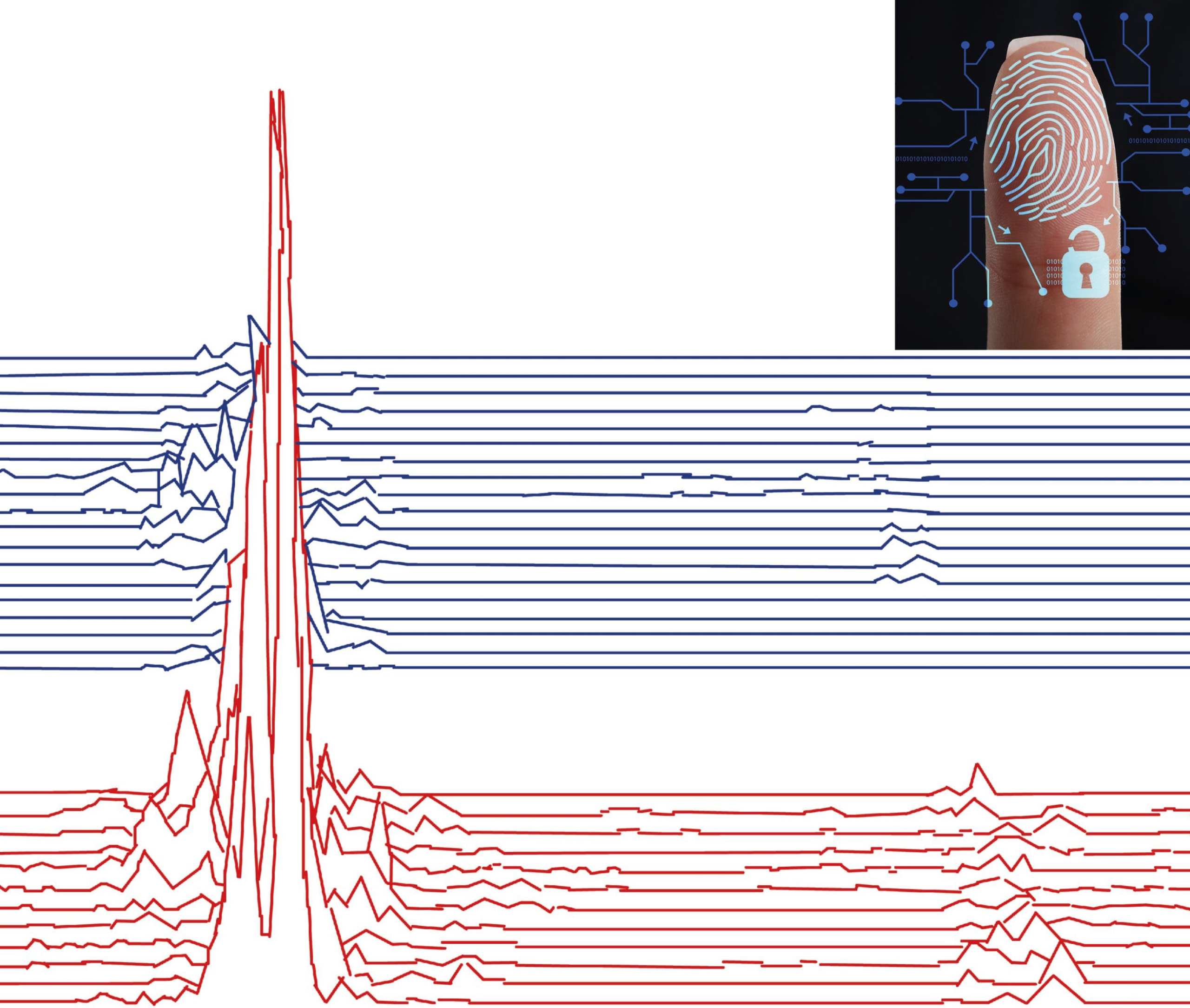
Similar to a commonly used ECG, the EndoSure Test searches for a distinctive pattern of activity in the abdominal area that’s associated with endometriosis. This provides clinicians with additional information to consider alongside symptoms, clinical assessment and other investigations.
Could Your Symptoms Be Endometriosis?
If you are experiencing pelvic pain, heavy periods, bloating or fertility concerns, the EndoSure test offers a rapid, non-invasive way to assess the likelihood of endometriosis. Learn how the test works or find a clinic near you and book an appointment.